
August 8, 2026
Where to Stay in Miami: Neighbourhood Guide
South Beach, Bal Harbour, Star Island, Coconut Grove, Brickell and Key Biscayne — what each is really like, and what you give up.
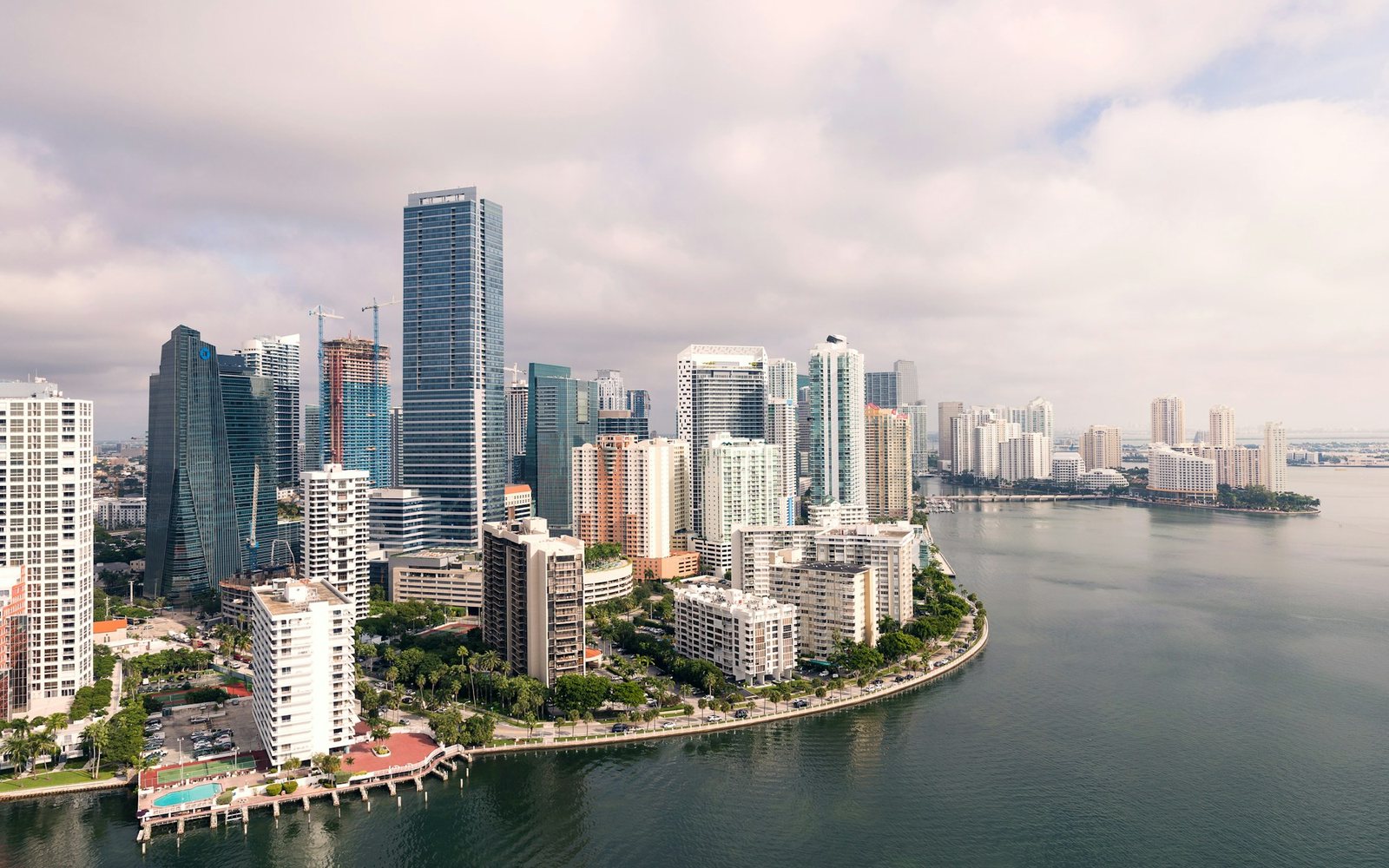
Most people book Miami before they know which Miami they are booking. The name covers a barrier island of Art Deco hotels, a mainland financial district of glass towers, a set of private islands reached by one causeway, and a leafy village that predates all of it. They are twenty minutes apart and they are not interchangeable. Choosing wrong is the single most common way to spend a lot of money on a stay that does not suit you.
This guide is the shortest honest version: what each neighbourhood is actually like, who it suits, and what you give up.
South Beach
The postcard. Ocean Drive, the pastel Art Deco strip, Lincoln Road, and the beach everyone pictures when they say Miami. It is walkable in a way almost nothing else in South Florida is, and it has the highest concentration of restaurants and nightlife on the island.
It suits you if you want to walk out of the door into the noise, and you are here for a short, social stay.
What you give up: quiet. South Beach is loud late, parking is genuinely difficult, and the stretch of Ocean Drive between 5th and 15th is a tourist thoroughfare rather than a luxury one. Families and anyone working during the trip usually regret it by the third night.
Mid-Beach and Bal Harbour
Head north along Collins Avenue and the island changes character within a mile. Mid-Beach — roughly 24th to 63rd Street — is where the large resort properties sit on wide beach, with far less street traffic. Continue north and Bal Harbour is quieter again: a small, deliberately understated enclave built around a luxury shopping centre and a protected stretch of sand.
It suits you if you want the beach without the crowd, and you are content to drive or be driven to dinner.
What you give up: spontaneity. Nothing is a five-minute walk. This is the part of Miami where having a car and a driver stops being a luxury and starts being the thing that makes the stay work.
The private islands: Star, Palm and Hibiscus
Reached from the MacArthur Causeway between downtown and South Beach, these are residential islands of large waterfront houses, many with private docks. There are no hotels, no shops and no restaurants — the entire appeal is that nothing happens there.
It suits you if you are travelling as a group or a family, want a whole house rather than a suite, and value privacy over convenience.
What you give up: everything within walking distance. You will leave the island for every meal. Groups that book here and then try to manage transport themselves tend to spend the week in traffic.
Coconut Grove
The oldest continuously inhabited neighbourhood in the city, and the one that feels least like the rest of it: mature trees, sailing clubs on Biscayne Bay, low buildings, a genuine local population. It is a fifteen-minute drive from downtown and about half an hour from South Beach without traffic.
It suits you if you have been to Miami before, did not love the beach strip, and want somewhere that feels like a place rather than a destination.
What you give up: the ocean. The Grove sits on the bay, not the Atlantic — the water is beautiful and it is not a swimming beach.
Brickell and Downtown
Miami's financial district: towers, rooftop bars, a dense restaurant scene, and the shortest commute to anything corporate. It is the most practical base in the city and the least scenic.
It suits you if you are here to work, or you are attending something downtown and want to walk to it.
What you give up: the reason most people come to Miami. There is no beach in Brickell.
Key Biscayne
An island south of the city, reached by the Rickenbacker Causeway, with two state parks and a residential village between them. It is the quietest option that still has a real beach, and it feels considerably further from the city than the seven miles it actually is.
It suits you if you want calm water, space for children, and no interest in nightlife.
What you give up: choice. The causeway is the only way on and off, and it backs up.
The question that decides it
Not budget — every one of these neighbourhoods has expensive property in it. The question is how much of your stay you expect to spend on foot.
If the answer is "most of it", you want South Beach and you should accept the noise. If the answer is "very little, we will be driven", the whole northern and island half of the map opens up, and it is generally where the better houses are.
Groups get this wrong most often. A house on Star Island with a dock is a genuinely different holiday from a suite on Collins Avenue — but only if the transport is arranged before you arrive, not improvised each morning.
How we work here
Tell us the dates, the number of people and roughly how you want the week to feel, and we will tell you which of these neighbourhoods fits — including when the answer is that Miami is the wrong city for what you are describing.
Start with the villas, or send us your dates.
Planning a stay in Miami?
Tell us your dates